Document Insect Damage Before the Deal Closes
Wood Destroying Pest Inspections in Reno for identifying termite evidence and structural wood damage required in real estate transactions
Ponderosa Inspections offers Wood Destroying Pest Inspections in Reno to identify evidence of wood-destroying insects and related damage in residential properties. When you're buying or refinancing a home, lenders and title companies often require documentation that the structure is free of active infestation or that damage has been disclosed and addressed. This inspection evaluates structural wood components, moisture-prone areas, and visible signs of termite activity, carpenter ants, or wood-boring beetles, providing the formal reporting required to satisfy transaction requirements.
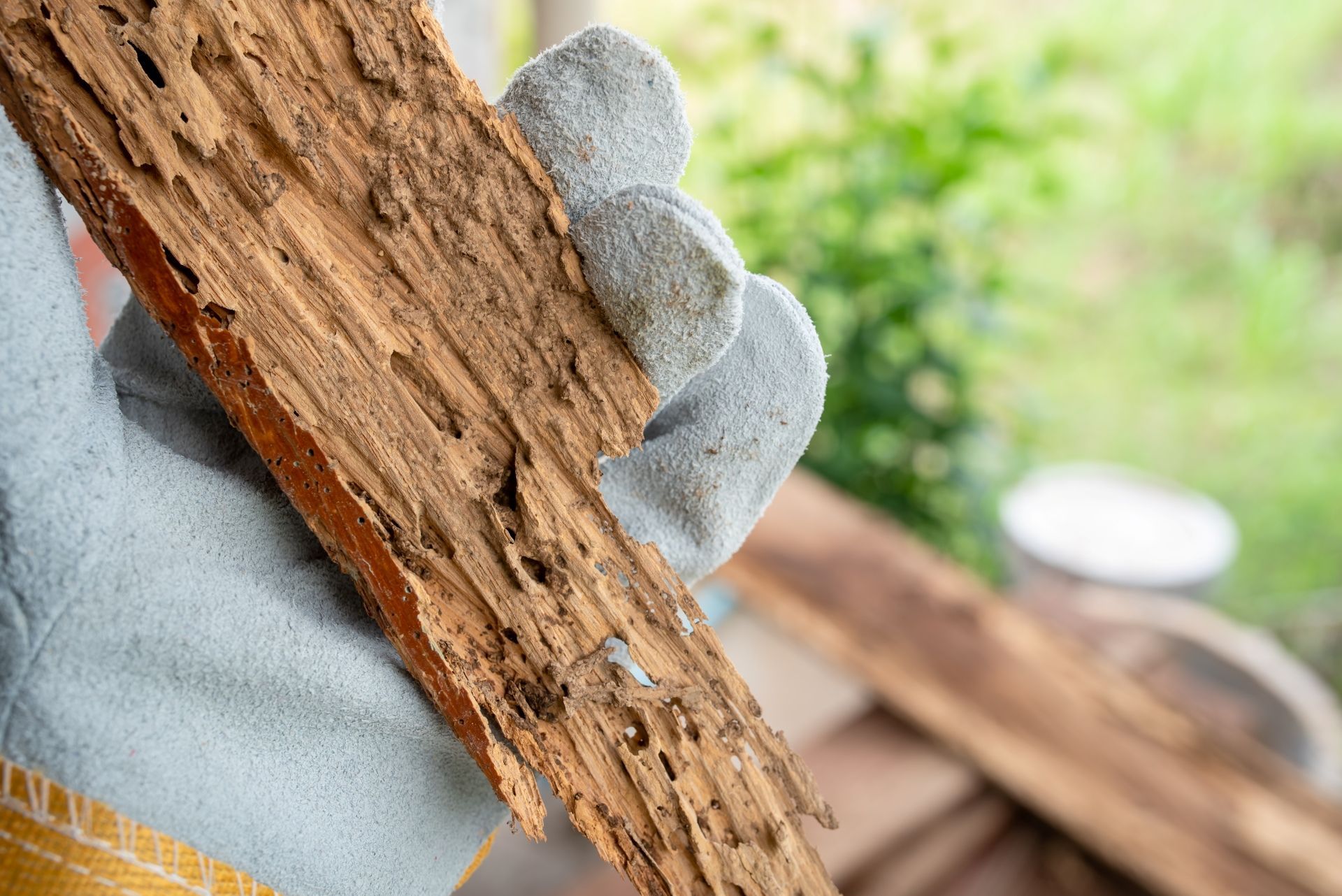
The inspector examines accessible wood framing in crawl spaces, basements, attics, and garages, looking for mud tubes, frass, hollowed wood, damaged studs, and moisture conditions that attract insects. With extensive pest control experience, Ponderosa Inspections accurately distinguishes between active infestations, prior damage, and conditions that increase risk. The report documents findings by location and describes whether treatment or repair is recommended.
If your real estate transaction in Reno requires a pest inspection or you want to verify wood integrity before purchasing, schedule your inspection with Ponderosa Inspections.
What the Inspection Looks For and Reports
You receive a report that meets lending and title requirements, including photographs, descriptions of any evidence found, and recommendations for treatment or further evaluation by a licensed pest control operator. The inspection identifies mud tubes running along foundation walls, hollowed floor joists in crawl spaces, sawdust piles beneath beams, damaged rim joists, and moisture stains that suggest conditions favorable to insect activity. The report clarifies whether findings represent active infestation, prior damage that was treated, or structural wood that requires repair.
After the inspection, you'll know whether the property has current pest issues that must be resolved before closing or if prior damage has compromised structural integrity. In Reno's dry climate, wood-destroying insect activity is less common than in humid regions, but moisture intrusion from plumbing leaks, poor grading, or irrigation systems can create localized conditions where termites and carpenter ants thrive. Addressing these issues before closing prevents costly repairs and satisfies lender requirements.
The inspection takes one to two hours depending on property size and accessibility. It does not include treatment, chemical application, or structural repairs, but it provides the documentation needed to coordinate those services with licensed specialists. The report is valid for the transaction period specified by your lender or title company.
Questions About Pest Inspections in Real Estate Deals
Here are the questions that come up most often when scheduling wood destroying pest inspections in Reno.
Why do lenders require pest inspections?
Lenders want assurance that the property's structural wood is sound and free of active infestation that could compromise value or safety, and the inspection report provides third-party verification that satisfies underwriting requirements.
What is the difference between a pest inspection and a home inspection?
A home inspection covers all major systems and components, while a pest inspection focuses specifically on wood-destroying insects and related damage, often required separately by lenders or title companies during real estate transactions.
How do you identify termite activity in a dry climate?
Inspectors look for mud tubes that termites build to travel between soil and wood, hollowed or damaged wood that sounds hollow when tapped, frass resembling sawdust, and moisture sources such as leaks or poor drainage that create favorable conditions even in arid regions like Reno.
What happens if the inspection finds evidence of termites?
You receive documentation of the findings, which you can use to request treatment from the seller, negotiate a credit, or arrange for a pest control operator to treat and repair the damage before closing.
When should I schedule the pest inspection?
Schedule the pest inspection during your due diligence period, often alongside the general home inspection, so you have time to review findings, coordinate treatment if needed, and satisfy lender requirements before closing in Reno.
If your real estate transaction requires a pest inspection or you want to verify that a property is free of wood-destroying insect damage, contact Ponderosa Inspections to arrange your evaluation.